

By Alex Lowe | Photos Courtesy of JJ Gottsch
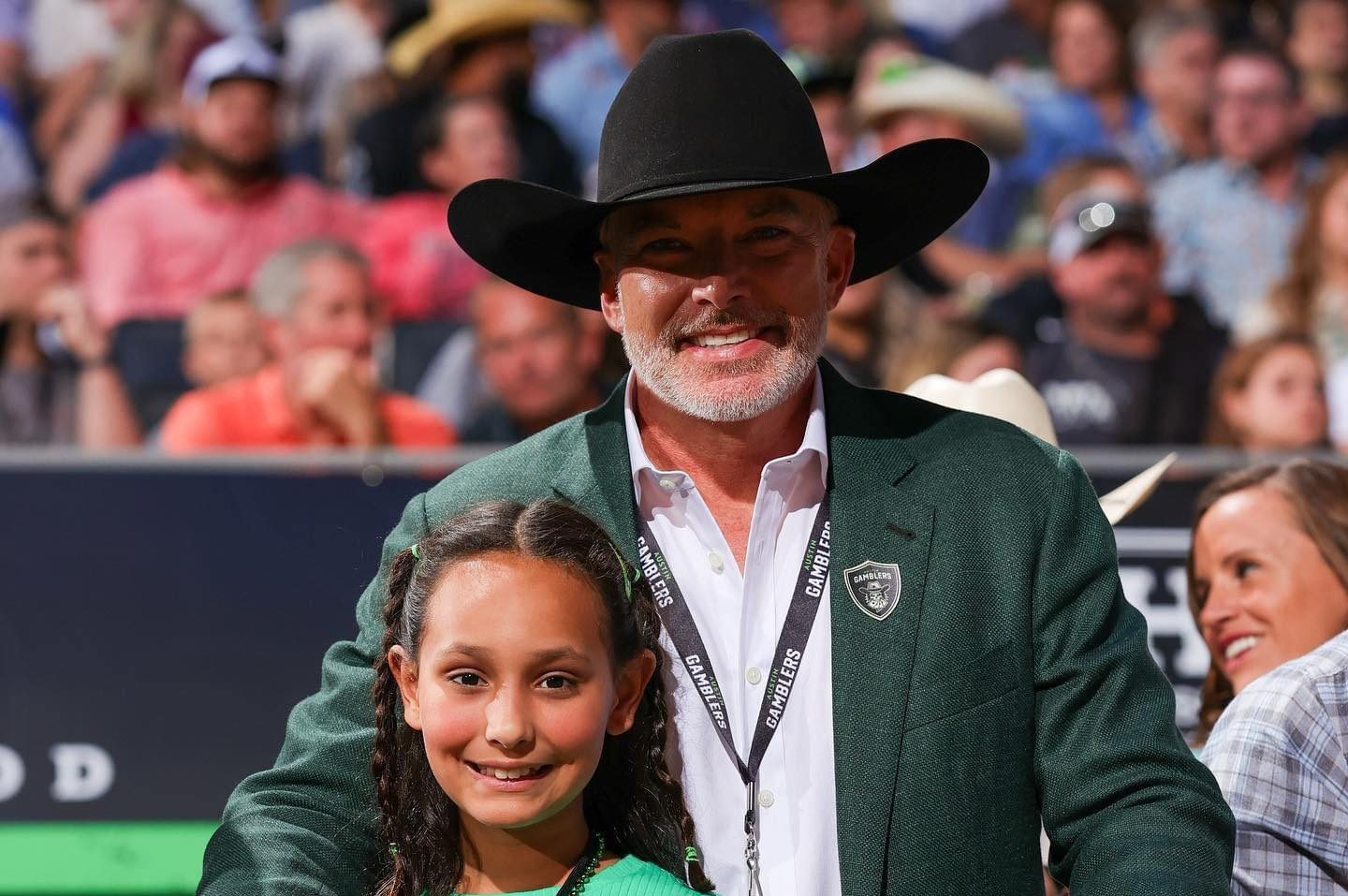
JJ Gottsch has enjoyed eight months of basking in the glory of ultimate professional success. He is not resting on his laurels. The CEO of the 2024 Professional Bull Riding Team Series Champion Austin Gamblers, Gottsch has been busy working to keep his franchise stacked for the upcoming season. Despite being a defending champion, Gottsch recently added the top available free-agent bull rider, Sage Steele Kimzey, to an already star-studded roster.
This relentless approach to not only achieve but to maintain success can be traced back to Gottsch’s youth. Born in Omaha, Nebraska, Gottsch was raised about 25 miles west in the small town of Valley before moving to Elkhorn.
“My cousins, aunts and uncles lived there. The Gottsch family is big in Nebraska as far as livestock feeders. They’ve been in the top 15 for probably 40-50 years. The other uncles and their kids did a lot of farming, and then my dad and my two older brothers were involved in the commodities aspect of it, so everybody worked together. I learned by watching my family, who were all hard workers. They were all hustlers and never took anything for granted. Nobody felt like they were entitled to anything.”
Gottsch comes from an athletic family. His father, Virgil, was a member of the Nebraska Baseball Hall of Fame, while his mother, Judy, was a professional bowler. JJ Gottsch himself had a brief career in Minor League Baseball after playing at Creighton University.
“I was just like every other little kid with dreams of playing in the College World Series. I got to check that box. Then, you hope to make it to the major leagues. I was fortunate enough to sign a professional contract after college. The problem was that as everybody else continued to get better, I probably peaked in college.”
His playing career eventually led him to a position as a marketing director with the Round Rock Express, the Nolan Ryan family minor-league franchise. From there, he got a position with another minor-league team, the Corpus Christi Hooks, as general manager.
“The experience working with the Ryan family was great. There were so many things we did there that involved building a franchise from the ground up that helped me learn the fundamentals of blocking and tackling when it comes to things like politics, merchandising, creation of logos and everything like that. I was 27 at the time. I just tried to pay attention and take good notes. Then the Ryans were good enough to let me go to Corpus Christi in 2003, where we did a lot of the same things we had done with Round Rock.”
His front office work in Minor League Baseball led to a stunt that is forever enshrined in internet history.
“The world of Minor League Baseball is built on fun and unique promotions. It occurred on May 6, 2010. Long story short, Will Ferrell, when he was in college at USC, had a fraternity brother who got cancer and had to leave school to get treatment. This depleted a lot of the family’s funds. They had been running a golf tournament out in San Diego to help, but eventually, word got to Reed Ryan, CEO of the Round Rock Express, and they decided to do something down here. He contacted me about promoting a golf tournament here, and I suggested that we could do something really fun that would get eyeballs on it. So, we put together this creative team that came up with the idea of creating a fake baseball pitcher named Rojo Johnson, out of Venezuela, who had served jail time for importing reptiles into the United States. They just really ran with it. So, Will Ferrell comes out of the bullpen as reliever Rojo Johnson to pitch to me, pretending to be a member of the Nashville Sounds, in the middle of a real game. He was supposed to bean me with the pitch, but he missed me. I charged the mound and ended up chasing him around in centerfield. It was a lot of fun. Those were the early days of YouTube, and I think it got over a million hits in the first three or four days. It was just the epitome of Minor League Baseball.”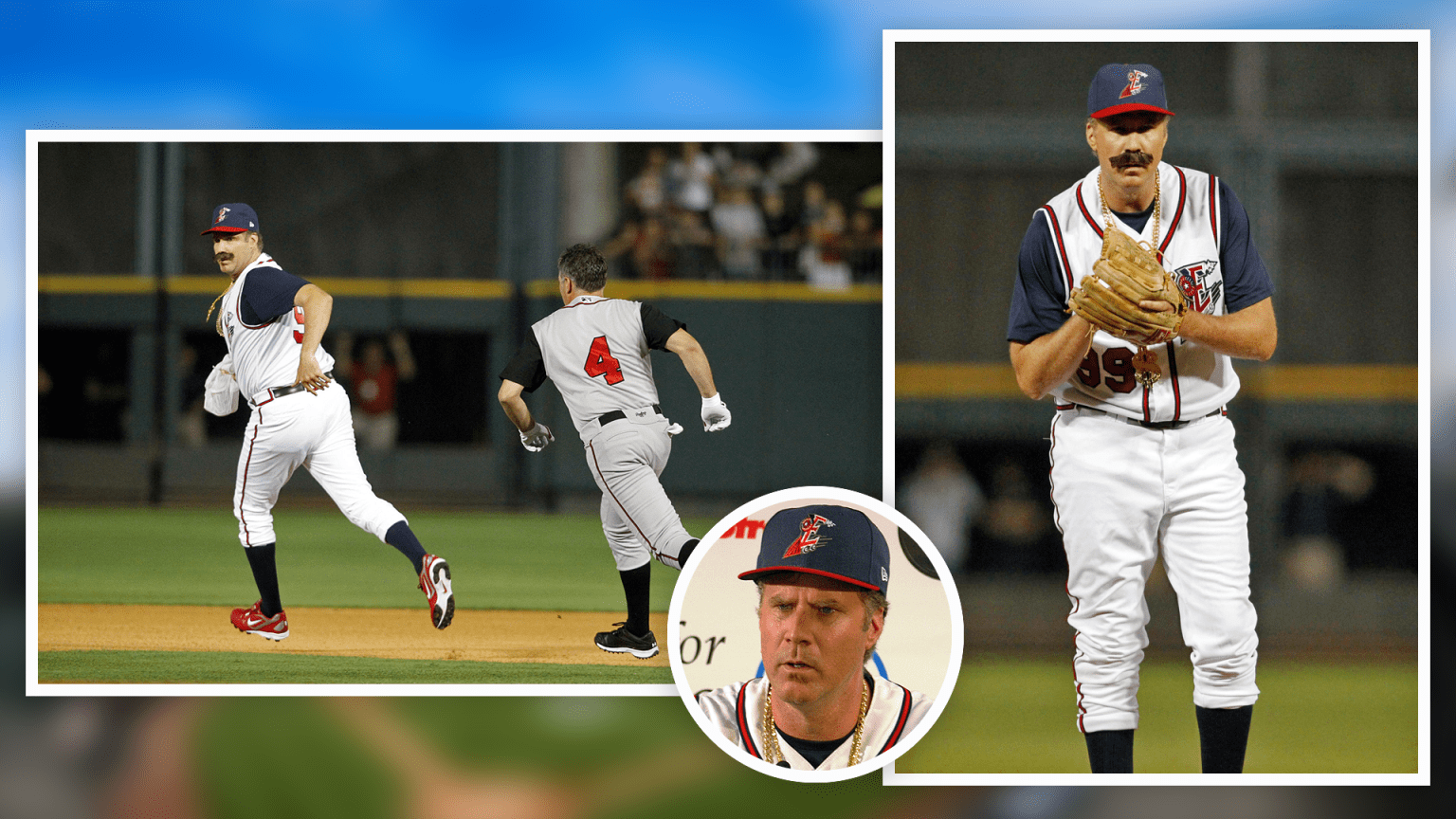
These experiences cast Gottsch perfectly for what was to come next. A new professional sports league attempted to turn a traditional individual competition into a team-based concept. The Professional Bull Riding Team Series was looking to go live and a franchise in Austin, Texas, needed leadership.
“At the time, I was on the board of the Austin Sports Commission. I remember one of the executives from the baseball team came over and mentioned this new bull riding team that’s coming to town. So, I called their headhunter and said, ‘I’m on the Sports Commission board and would love to help you with whatever assets and resources we have available to get the franchise landed here.’ So, he called me, and we went back and forth for a couple of days. He ran some things by me, and I offered some feedback on different folks locally and regionally. Then, three or four days later, he just asked, ‘Hey, what about you? Would you be interested?’ Initially, I wasn’t because I was working for Nolan Ryan and had been there for 20-plus years. We had a great relationship, and I still enjoyed my time there. But they kept coming back and continued to tell a more compelling story. The more I heard about the opportunity to build things and create things, the more it really attracted me. The opportunity to open the Moody Center, and to be a part of not only the launch of a new team and a new brand but a new league was exciting. You don’t get many opportunities in your life, especially when you’re fifty, to start something new again and utilize everything you’ve learned.”
The Gamblers had their man JJ Gottsch, and the league had an executive well-versed in marketing and promotion. The PBR Team Series has grown significantly in three years of operation. With a slick marketing campaign that has led to a weekly broadcast contract with CBS and expansion into major markets in Florida and New York City, the league is well-positioned for future growth.
“I think it’s hugely important to have people understand and recognize your brand. While we sit here today in April of 2025, I think a lot more people know who the Austin Gamblers are, and that we’re a professional bull riding team and part of the PBR teams; that was the case in April of 2022. But we’ve still got a lot of work to do. I think with what you’ve seen not only here in Austin but now in the other nine markets where we expanded from 8 to 10 teams, the team concept is a much-easier-to-consume product than the individual competition because you don’t really need to know the intricacies of bull riding or how bulls are scored or how riders are scored. It is just about my team being the green team from Austin, and there goes the orange team from Kansas City. We rode four bulls. They rode three. We won.”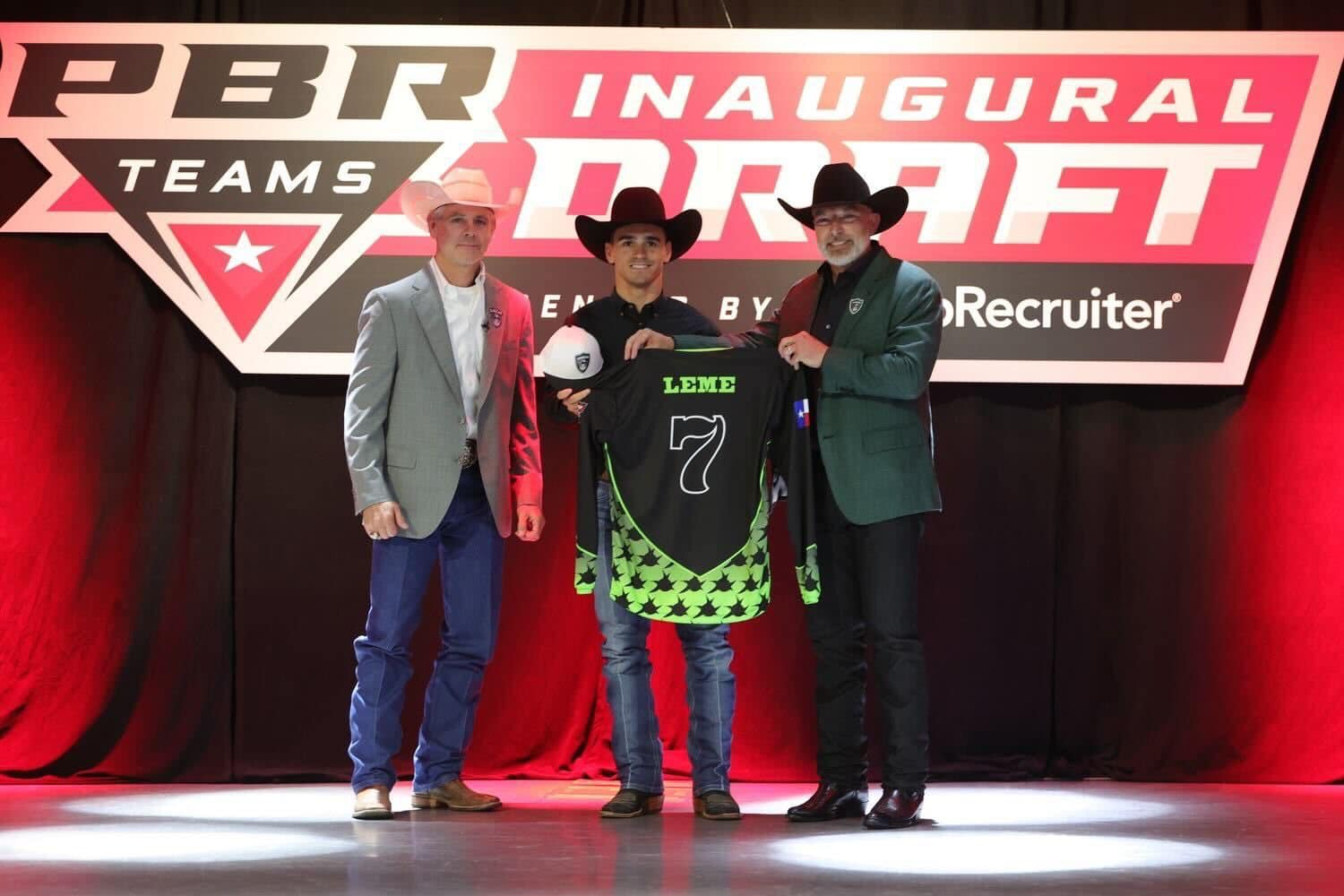
Gottsch attributes the growing popularity of bull riding to a parallel national interest in Western culture.
“I think a lot of what Taylor Sheridan has done; it was the perfect time for that show to come out. You were right on the heels of COVID, and people wanted to have an opportunity to get away from the city and have their own little piece of real estate in their little piece of the country, and then Yellowstone came out and 1923 and all the different spinoffs. Then, the explosion into other parts of society in terms of fashion, in terms of music and the pop stars, which have now turned into country stars. You kind of see these trends come and go, but this one has seemed to stick, and now there’s so much investment in it. I think it’s going to be around for a long time. At the end of the day, it is just the authentic, humble nature that makes up the cowboy. Hard work, grit and determination are all the qualities that make them appealing. If you are someone who puts your hand in a bull rope and is on the back of a 1500-to-2000-pound bull, you’re going to be humble, and you’re going to understand a lot of things and have respect for a lot of things. The first thing that they typically do is to get down on their knees and pray and thank God.”
As is the case with so many who embrace Western culture, Gottsch’s faith is important to him.
“I’m more spiritual than I ever was before. Growing up, I went to the Lutheran Church in town, but then in high school, I transferred to a larger high school in Omaha for my last two years specifically to have the opportunity to play sports and get noticed by Division One universities. The school I went to was a Jesuit Catholic school. From there, I went and played baseball at Creighton University and was there for three years. So, for five years in a row, I was in a Catholic institution or institutions. Then, I transferred to TCU (Texas Christian University), where I graduated and ultimately coached for a couple of years. In that aspect, I had a lot of religion and theology. I was exposed to several different religions, and then as I’ve gotten older, it’s just kind of continued to develop. It definitely plays a part in my life, and probably more so since I’ve gotten into this bull riding business because it does play such an important role in all our riders’ lives and the whole PBR rodeo system. It is a very faith-based sport. I would say my faith and exposure to faith has increased probably tenfold over the last three years.”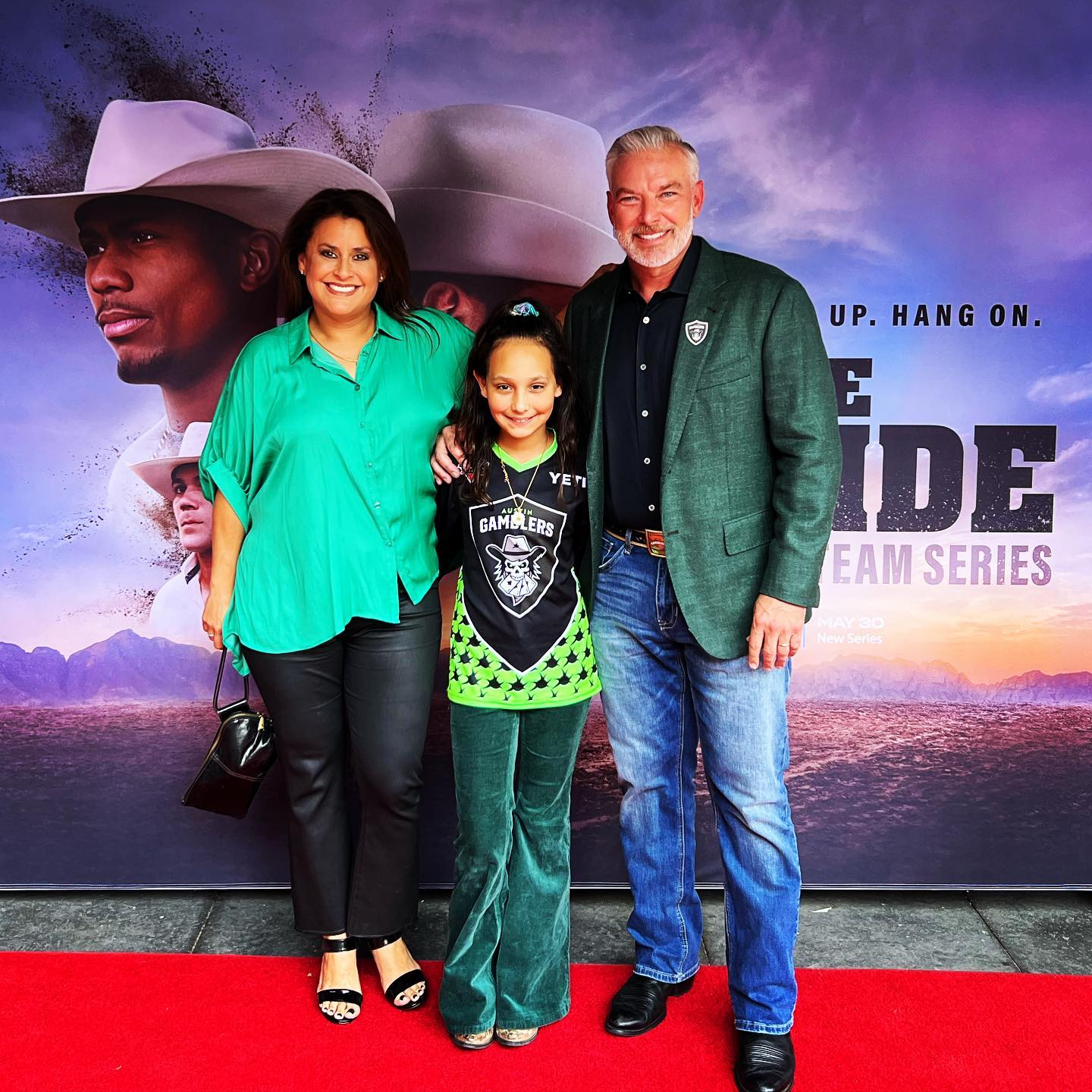

No comments yet. You should be kind and add one!
By submitting a comment you grant Rodeo Life a perpetual license to reproduce your words and name/web site in attribution. Inappropriate and irrelevant comments will be removed at an admin’s discretion. Your email is used for verification purposes only, it will never be shared.